

When it comes to making a major purchase like a new television, the process can be intimidating. With the number of options available on the market today, it can be difficult to know where to start. This guide is designed to help you through the buying process so that you can find the right television for your home theatre system. We’ll cover the basics of what to look for when buying a TV, from size and type of TV to features and budget. We’ll also provide information about how to get the best value for your money. By the end of this guide, you should be well-equipped to make an informed decision about your next television purchase.
If you’re in the market for a new television, you know that there are a lot of options and decisions to make in order to find the best one for your needs. From LED to Plasma, 3D, Smart TV and more, there is no shortage of features and technologies to consider. To help you make an informed purchase decision, this blog post provides a comprehensive buying guide for selecting the right TV for your lifestyle. We’ll look at the key features and technologies available, as well as the major brands that offer them. We’ll also provide some guidelines for selecting the appropriate size TV for your space, and discuss the different display types available. Finally, we’ll provide some tips on getting the best deal and how to find an authorized retailer or service provider. With the right information, you can make the right decision when it comes to the purchase of your next TV.
Screen Type
When it comes to buying a new TV, one of the most important factors to consider is the type of screen you want. The two main types are LCD and OLED. LCD screens are typically more affordable and provide a good viewing experience, but they don’t offer the same deep blacks and wide viewing angles that OLED screens do. OLED screens are more expensive, but they provide a better viewing experience with deep blacks and wide viewing angles. Ultimately, the choice will depend on your budget and viewing preferences.
Screen Resolution
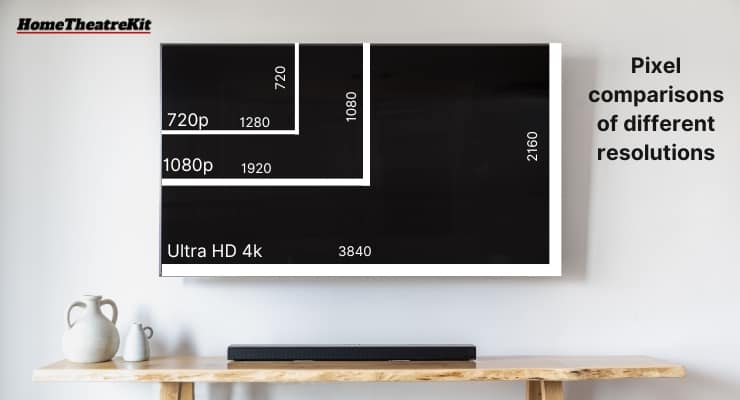
When it comes to TVs, screen resolution is one of the most important features to consider. TVs with higher resolution display pictures with more detail and clarity. The most common screen resolution is HD (or 1080p), which has 1,920 x 1,080 pixels. If you’re looking for even better picture quality, you should consider an Ultra HD (or 4K) TV, which has at least 3,840 x 2,160 pixels. Be sure to check the resolution of any TV you’re considering, as it will have a large impact on your viewing experience.
Smart Features
Smart TVs are the latest and greatest in TV technology, and when you’re in the market for a new one, it’s important to consider the added features these sets provide. Smart TV’s are integrated with an internet connection, and usually come with streaming services like Netflix, Hulu, and Amazon Prime Video already installed. Additionally, many Smart TVs support voice control so you can use voice commands to control your television. Smart TVs also come with the ability to access a wide variety of apps, allowing you to customize your viewing experience.
Connectivity Options
Connectivity options are a major factor to consider when buying a television. The majority of modern TVs offer HDMI ports, which are necessary for connecting to Blu-ray players, game consoles, and streaming devices. Some TVs come with a wide variety of ports, like component and composite video inputs, USB ports, and even Ethernet ports. If you plan to connect to an older device, make sure the TV you’re considering has the necessary ports. You should also ensure that the TV supports the latest Wi-Fi standards, such as dual-band 802.11ac, to ensure a smooth streaming experience.
Price Range
It’s important to have a budget in mind when shopping for a TV. You don’t want to get too caught up in the bells and whistles of a more expensive model only to find out it’s out of your budget. Start by looking at the size of the TV you want and what features you need. Then, set a realistic budget and compare the prices of TVs that fit your criteria. Keep in mind that you don’t need to spend an arm and a leg to get a great TV. There are plenty of budget-friendly models that offer good picture quality and great features. Also, keep in mind that prices can vary greatly between retailers, so make sure to shop around before making a purchase.
In conclusion, buying a new TV is no small decision and there are a lot of factors to consider before making a purchase. This guide has provided you with a comprehensive overview of the different types of TVs, their features, and the factors to consider when choosing a TV. With this information, you can make an informed decision and get the best TV for you that meets your needs and budget.
Types of TV Displays
TV displays have drastically changed over the years. From CRT displays to LED displays, technological advancements have allowed for a more immersive and enjoyable viewing experience. But with so many types of displays available, it can be difficult for consumers to know which TV is right for them. In this blog post, we’ll be covering the different types of TV displays currently available, so that you can make the best choice when it comes to outfitting your home theater. We’ll discuss the advantages and disadvantages of each display type, as well as the types of activities each display is best suited for. With this information, you’ll be more informed when making your decision and can have peace of mind knowing that you’ve chosen the best display for you. So, let’s get started and take a look at the different types of TV displays available.
OLED Displays
OLED (Organic Light Emitting Diode) displays are the latest type of display technology. They are also the most expensive. OLED displays are made up of multiple layers of organic material that produce light when electrical current is passed through them. OLED displays have deeper blacks, brighter whites, and crisper colors than traditional LED displays, plus they have a much faster response time, making them ideal for gaming and watching fast-paced action movies. They also have a much wider viewing angle than LED or LCD displays. OLED displays may be expensive, but they offer some of the best picture quality available.
LCDs
LCDs (liquid crystal displays) are one of the most common types of TV displays. LCDs are typically quite thin and energy efficient, making them a great choice for those who are looking to save on energy costs. LCDs make use of a liquid crystal solution that is sandwiched between two glass plates, which helps to create an image on the screen. While they are quite good at displaying bright colors, they are often limited in terms of contrast and black levels, making them better suited for watching movies or playing video games in a well-lit environment.
QLEDs
QLEDs are the latest in LCD display technology, offering a wider range of colors and brighter pictures than traditional LCDs. As the name suggests, QLEDs use quantum dots to produce their colors and images. These quantum dots are made of microscopic particles that emit their own light when they are exposed to an electric current. This produces an incredibly vivid picture with excellent color accuracy and contrast. QLEDs are also incredibly thin and light, making them an ideal choice for wall-mounted TVs.
Plasma TVs
Plasma TVs are an older type of display technology, dating back to the early 2000s. Plasma TVs use small cells of gas and electricity to light up individual pixels, and they’re famous for their excellent black levels and contrast ratios. They tend to be thicker and heavier than LCD TVs, so they’re not as popular as they once were. However, since they’re no longer manufactured, plasma TVs have become something of a collector’s item.
Rear Projection TVs
Rear projection TVs are a type of large-screen TV display that uses a projector and a combination of mirrors and lenses to produce a picture on a large screen. This type of display typically produces the highest image quality of any type of TV. It also offers the most flexibility in sizing and viewing angle, as well as the ability to display 3D images. Additionally, rear projection TVs usually have the deepest blacks and most vibrant colors of any type of display. However, the bulky size and high power consumption of rear projection TVs make them less popular than LCD and LED displays.
To sum up, choosing the right display for your television is an important decision that should not be taken lightly. Each display type offers its own set of advantages and drawbacks, but all of them will provide you with a clear and vibrant image. Before making your purchase, make sure you research the different types of displays and consider your lifestyle, budget, and viewing habits when making your decision. That way, you can ensure you’re investing in a TV display that best meets your needs.
Understanding the Specs
Understanding TV specs can be a daunting task for anyone trying to purchase a television. With all the technical jargon and unfamiliar terms, it can be difficult to know what features to look for and what they mean. Even if you’re a tech enthusiast, it can be overwhelming to sift through the specifications and make sense of them. That’s why it’s important to know the basics of TV specs in order to make the best purchase decision. In this blog post, we’ll help break down the major TV specs and how they can affect the performance and quality of your television. By understanding these specs and what they mean, you’ll be able to make an informed decision and buy the best TV for your needs.
Aspect Ratio
When it comes to understanding TV specs, one of the most important factors is the aspect ratio. Aspect ratio refers to the ratio between the width and height of the display. The two most common aspect ratios today are 16:9 and 21:9. The 16:9 ratio is the standard for HDTV and most computer displays, while the 21:9 ratio is mainly used for ultra-wide displays. Both aspect ratios can offer an immersive viewing experience, but the 21:9 ratio is best for movies, TV shows, and video games, while the 16:9 ratio is better for browsing the web and multitasking.
Refresh Rate
The refresh rate of a TV is an important measure of display performance. It’s expressed in Hertz (Hz) and describes how often the image on the screen is refreshed, or redrawn. It’s measured by the number of times a static image is repeated per second. A higher refresh rate means a smoother picture with a more realistic look. The most common refresh rates are 60Hz, 120Hz and 240Hz. TVs with higher refresh rates are best for sports and action movies, while TVs with lower refresh rates are better suited for general viewing.
HDR Support
One of the most important features to consider when shopping for a new TV is HDR (High Dynamic Range) support. This feature creates more realistic images by displaying a larger range of dark to bright areas on the screen, making the picture look more natural. It also allows for brighter, more vivid colors that look true to life. HDR support is only available on some TVs, so be sure to check the specs before purchasing.
Contrast Ratio
Contrast ratio is one of the most important aspects of an LCD or LED TV. It refers to the ratio of the brightest white to the darkest black that a TV can display. It helps measure the clarity and color accuracy of a TV, so a higher contrast ratio is always better. Generally, a contrast ratio of 8,000:1 or higher is considered good, although the very best TVs now have ratios of 20,000:1 or even higher. TVs with lower contrast ratios tend to have washed-out images, with less visible detail in both dark and light areas.
Resolution
Resolution is the most important factor to consider when evaluating any TV. It will determine the sharpness and clarity of the picture. The higher the resolution, the more detailed the picture will be. Generally, 720p (1280 x 720) is considered the minimum for a decent picture. 1080p (1920 x 1080) is the standard for HDTV, and 4K (3840 x 2160) is the standard for UHDTV. 8K (7680 x 4320) is the highest resolution available and provides the best picture quality. Keep in mind that higher resolution TVs require more powerful hardware and may cost more.
When it comes to buying a television, understanding the technical specifications of a television is key to making an informed and educated purchase decision. There are many technical aspects of a television to consider, from the number and types of inputs and outputs to the picture quality to the sound quality. With so many different specs to consider, it can be difficult for shoppers to determine which is the most important and which is the least important. That is why it is essential to have a basic understanding of TV specs before making a purchase. This blog post will provide an overview of the most important specs to consider when purchasing a television, helping shoppers make an informed decision and get the best bang for their buck.
Viewing Angle
When shopping for a new television, one of the most important specs to pay attention to is its viewing angle. This measures the maximum angle at which the picture will still be visible, and is usually expressed in degrees. Generally speaking, the larger the viewing angle, the better. This is especially important when you have a large room or multiple seating areas, as it will ensure that everyone in the room can get a good view of the TV. TVs with a viewing angle of 178-degrees are the best choice for larger spaces, while a viewing angle of around 160-degrees will do the job for a smaller room.
HDMI
The HDMI (High-Definition Multimedia Interface) is a digital connection used to transmit audio and video data on a single cable. It is the most common connection used to connect to audio and video devices, such as DVD players, Blu-ray players, streaming media players, gaming consoles, and even some computers. HDMI supports resolutions up to 4K (3840 x 2160) and provides a much better audio and video experience compared to composite or component cables. An HDMI connection also carries audio and can even pass through Dolby Atmos, DTS:X, and other surround sound formats.
Smart TV
Smart TVs are the latest trend in television technology. They are designed to make your viewing experience more convenient, intuitive, and enjoyable. Smart TVs come with built-in internet access and online streaming capabilities, making it easy to watch your favorite shows and movies without having to switch between different devices. Smart TVs also come with voice control, gesture control, and other advanced features, allowing you to control the TV with just a few words or a few simple hand motions. Smart TVs are a great way to bring the best of online entertainment into your living room.
3D
When shopping for a new television, you’ll want to pay close attention to the 3D technology. 3D technology allows you to watch movies and shows in an immersive, realistic way. 3D TVs use either active or passive 3D technology. Active 3D TVs require special glasses for the 3D features to work, while passive 3D TVs don’t require glasses and can display 3D images without them. You might also see references to 4K or UHD TVs. These are TVs with four times the resolution of standard HD TVs and provide a sharper image. If you’re looking for the ultimate viewing experience, 3D and 4K/UHD TVs are the way to go.
Audio Outputs & Speakers
Audio outputs and speakers are an important part of any television’s specs. Most TVs will have at least one audio output, such as an RCA jack, optical audio port, or headphone jack. Some TVs may have multiple audio outputs, which can be used to connect the TV to a soundbar or home theater system. The speakers built into the TV will determine the quality of the sound. Look for TVs with multiple speakers to get a fuller, more immersive sound experience. Additionally, some TVs will offer Dolby Atmos for a truly cinematic sound experience.
In conclusion, understanding the various TV specs can be a bit overwhelming. But by taking the time to do your research and compare different TVs based on these specs, you can make an educated decision that will help ensure that you get the best TV for your needs. Not only will this save you money in the long run, but it will also make sure you get the most out of your viewing experience.
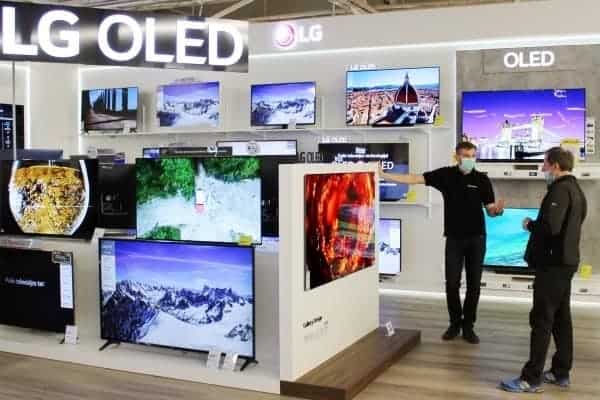
Store lighting is not the same as your home lighting. Image: LG Electronics
Dolby Vision
Dolby Vision is a type of HDR (High Dynamic Range) technology that is becoming increasingly popular for TVs. It’s designed to produce images with more vibrant colors, darker blacks, and brighter whites, allowing for a much more realistic picture. Dolby Vision is also backwards compatible with standard dynamic range (SDR) content, so you can view all of your old movies, shows, and games in stunningly vivid detail. When buying a TV, make sure to look for one that has Dolby Vision technology, as it will give you an enhanced viewing experience every time.
Choose OLED or LED
When shopping for a TV, one of the most important decisions you need to make is whether to choose an OLED or LED model. OLED TVs offer an improved picture quality, with deeper blacks and more accurate color representation, while LED TVs are typically more affordable and offer better brightness. OLED TVs also tend to be thinner, while LED TVs offer a wider range of sizes. Ultimately, it comes down to your personal preference, budget, and viewing habits.
Black Levels
One of the key aspects to consider when buying a TV is its black level – this is the measure of how dark black appears on the screen. Good black levels are important for a great viewing experience because they help emphasize the details in dark scenes. Generally speaking, OLED TVs have the best black levels, while LCD and LED TVs have poorer black levels. It’s also worth noting that some TVs have full array local dimming, which is a feature that can help improve the overall black level. When shopping for a TV, make sure to compare the black levels of different models.
In conclusion, it is important to keep in mind your budget, the size of your space and the features that are most important to you when choosing a TV. Whether you’re looking for a larger-than-life LED, a wall-mountable OLED, or a budget-friendly LCD, there’s a perfect TV out there for you. With the right information, you can make the perfect purchase for your home.
Final Considerations
When it comes to making a major purchase, such as a television, there are a lot of things to consider. Technology is constantly evolving, which means there are many features and options to choose from. This can make it difficult to know what is essential and what is unnecessary. It’s important to consider all aspects of the television, such as size, technology, features, and most importantly, price. Before you make a purchase, it’s important to explore all of your options, so you can find the best television for your needs. In this blog post, we’ll discuss the final considerations you should make when selecting a television. We’ll provide helpful tips and advice on important features, such as screen size, technology, features, and cost. We’ll also discuss some other factors that you should consider, such as installation and warranty. By the time you’re done reading this post, you’ll have all the information you need to
Inputs
When shopping for a new TV, one of the first considerations to take into account are the inputs. These are the ports on the back of the TV that allow you to connect other devices such as streaming devices, game consoles, and DVD players. Different TVs come with different inputs, so make sure you check what ports your devices require before making a purchase. For example, if you want to connect a DVD player, make sure the TV has an HDMI port, which is the most common type for DVD players. Also, check the number of HDMI ports, as this will determine how many devices you can connect at once.
Outputs
The second important consideration when shopping for a TV is the outputs. Outputs refer to the different types of ports available on a TV, such as HDMI, RCA, or USB. Different types of ports allow for different types of connections, so it is important to consider what kinds of media or devices you plan to connect to the TV. For example, if you plan on connecting a gaming console, you might need an HDMI port, or if you want to connect a soundbar, you might want an optical port. Be sure to research what types of ports your desired devices require before making your purchase.
Calibration
After you’ve settled on the right size and type of TV, you’ll need to consider the calibration process. Calibration is the process of adjusting the TV’s settings to get the most accurate picture for your viewing environment. Working with a professional calibrator is the best way to get the most out of your TV. Professional calibrators use specialized equipment to measure the physical characteristics of your room and adjust the settings to get the best possible picture. If you’re a bit of a do-it-yourselfer, there are some calibration settings you can adjust on your own. Just remember, getting the settings perfect requires practice and patience.
External Sound
The fourth final consideration when buying a TV is to check for external sound options. You may not want to invest in a soundbar, so make sure your TV has either a headphone jack or Bluetooth capability to connect to your current sound system. This is especially important if you’re using a streaming service, since sound quality is a major factor in getting the most out of your entertainment.
Brand Choice
Once you’ve narrowed down your list of TVs based on size, resolution, and budget, it’s time to talk about brand choice. There are many TV manufacturers to choose from, and there’s no wrong choice here. However, it’s worth noting that different brands have different strengths and weaknesses. Some brands are better known for picture quality, while others are known for features or design. Do some research into the different brands and, if possible, read user reviews to get a better idea of each brand’s strengths and weaknesses. In the end, the best brand choice is the one that meets your needs and budget.
When it comes to home entertainment, nothing is more important than the television. After all, it’s the centerpiece of your living room and the device that you’ll be using to watch all the great shows, sports, and movies you love. Unfortunately, buying a TV isn’t always a simple decision. There are a lot of factors to consider when purchasing a new television. In this blog post, we’ll discuss the important final considerations you should make when shopping for a new television. We’ll look at topics such as screen size and resolution, connectivity options, and budget. This post will provide you with the tips and advice you need to make the most informed decision when it comes to buying a new TV.
Placement in the room
Once you’ve chosen the perfect TV for your needs, it’s time to consider where you’ll place it in the room. The size and shape of your TV will determine its ideal placement. Generally, you’ll want to place the TV at least three feet away from any walls, furniture, or other objects to ensure you’re getting the best viewing experience. Additionally, the room’s lighting and the direction the TV is facing will also have an impact on where it should be placed. For instance, if the room has a lot of bright lights, you may want to place the TV in a darker area of the room. Finally, make sure the TV isn’t in a position where it’s too close to windows or other sources of light as this may cause glare.
Wall Mounting
When it comes to mounting your TV, wall mounting is the most popular option. It allows you to save space, make your living room look more organized, and enhance your viewing experience. Before you decide on wall mounting, make sure you measure the wall space where you plan to mount the TV. Also, keep in mind that the size of the TV should be proportional to the size of the wall space. If you’re not sure what size TV to buy, consider the size of the room and the viewing distance from your primary seat. It’s important to make sure the TV is not too close or too far from you. Finally, make sure you purchase the right type of wall mount for your TV.
Accessories
Once you’ve decided on the features and type of TV you want to buy, you should also consider accessories. If you plan to mount your TV, you’ll need a wall mount. If you need to connect audio components, you’ll need cables and adapters. Other accessories to consider include a remote control, a streaming device, surge protectors, and wall plates. Make sure you buy the right accessories for your specific TV.
Signal sources
When buying a TV, it is important to consider the signal sources that the device can handle. In other words, you should check what kind of inputs the TV has, such as HDMI, component, composite, etc. The more inputs the TV has, the greater the variety of devices it can connect to. Additionally, make sure the TV is compatible with your cable, satellite, or streaming setup. Some TVs support certain providers and others don’t, so it’s important to check this beforehand.
After reading this blog post on the final considerations when buying a TV, you should have a better understanding of the different types of TVs available and the factors that go into making a good purchase decision. You should consider size, resolution, refresh rate, ports, HDR, smart features, and budget when looking for a new TV. Ultimately, the best TV for you will depend on your individual needs and preferences. With the right information, you can make an informed decision and find the perfect TV for your home.
In conclusion, buying a TV is an important decision. There are a lot of factors to consider, such as screen size, technology, brand, budget, and more. Make sure to do your research and compare different options to find the best fit for your needs. With the right TV, you can enjoy a great picture quality and the best viewing experience for a long time.